When a school gets clean water, everything changes — attendance rises, illness falls, and children can finally focus on learning instead of thirst.
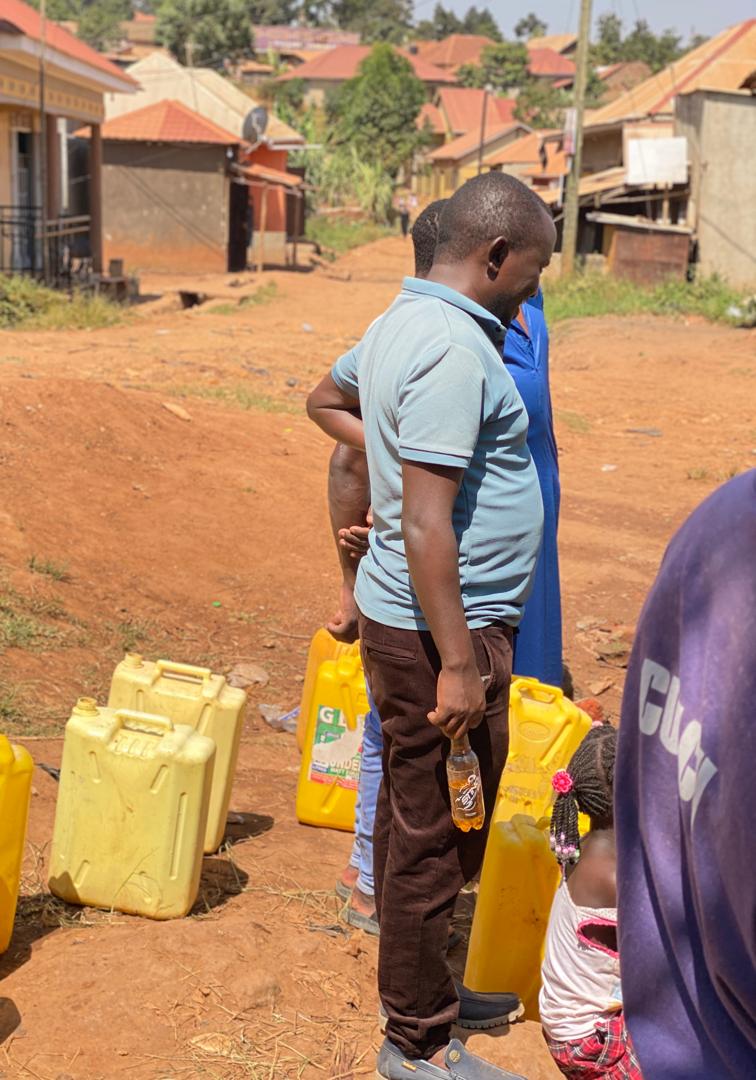
Across Uganda's rural districts, the school day too often begins not with a lesson but with a long walk to the nearest water source. For many children, that source is a polluted swamp, an unprotected spring, or a river shared with livestock. The result is predictable: waterborne illness, missed classes, and a cycle of poor health that holds whole communities back.
Water is the foundation of education
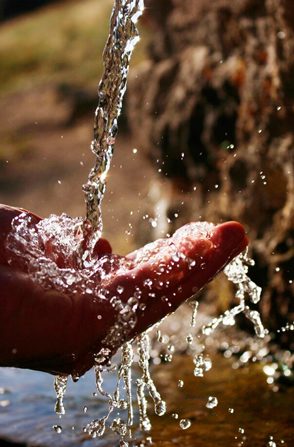
A safe, protected water point on or near school grounds removes one of the biggest barriers to learning. Children stay healthier, girls are more likely to remain in school, and teachers spend less time managing preventable sickness. Clean water, quite simply, keeps classrooms full.
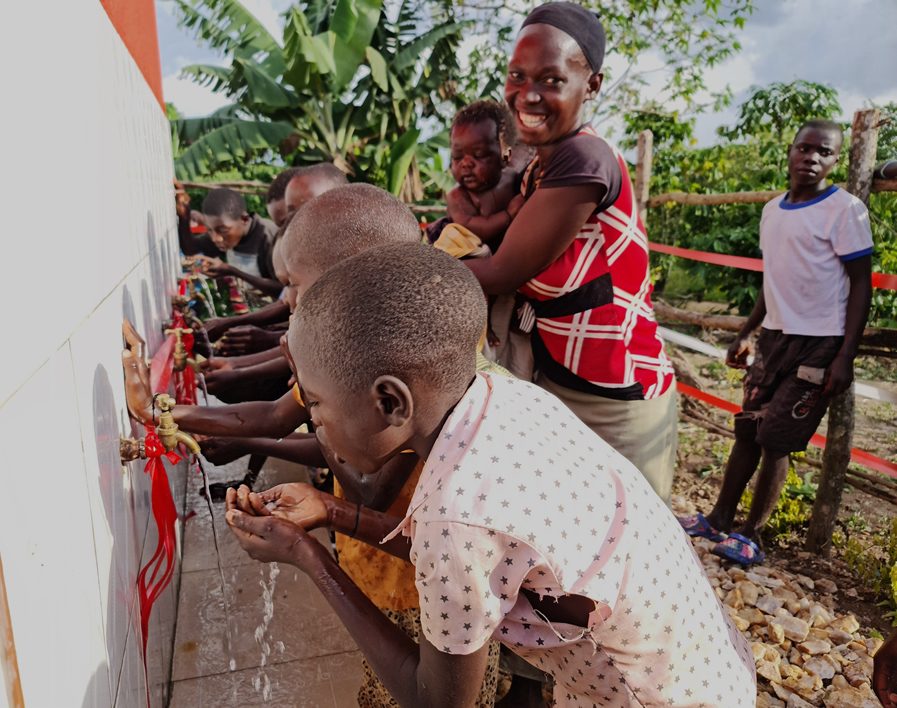
That's why our school projects pair a protected water source with handwashing stations and hygiene education — so the benefits reach beyond the tap and into everyday habits that protect children for life.
"When the water is safe and close, the classroom fills up — and stays full."
Built to last, owned by the community
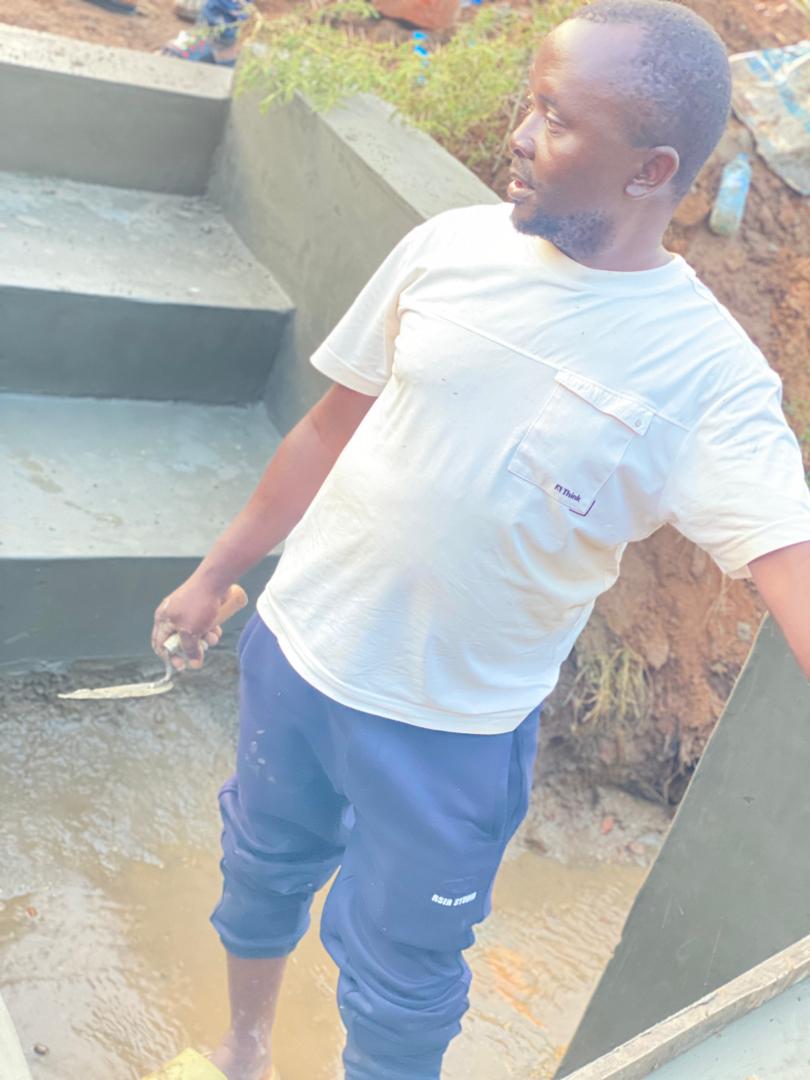
We don't install a source and leave. Each project includes training for community members and school staff to maintain the water point, manage small repairs, and champion good hygiene. When the people who use the water also own and sustain it, a single well can serve generations of students.
This is the model behind everything we do at Oasis Water — and with your support, it's one we're bringing to more schools across Uganda every year.