Committed to the Global Agenda for Sustainable Development
Oasis Water is a community-based organisation in Uganda committed to the UN-approved Global Agenda for Sustainable Development and the Sustainable Development Goals (SDGs 2015), to be achieved by 2030.
Water, sanitation, and hygiene (WASH) are crucial for life and wellbeing — but they also encompass a broader remit essential for dignity, empowerment, and prosperity.
While more than 35 years of stability have created a growing economy in Uganda, millions of Ugandans still do not have access to clean water or basic sanitation facilities.
SDG 6
Clean water & sanitation by 2030
Sustainable Development Goal 6
SDG 6 sets out a fundamental roadmap that not only underpins the achievement of the other Sustainable Development Goals, but also reflects our vision of a Uganda where everyone, everywhere, has sustainable and safe water, sanitation, and hygiene.
Access to clean water remains a major challenge in Uganda
There are significant gaps in both rural and urban areas. Many people lack access to safely managed drinking water and basic sanitation, relying on polluted sources and often resorting to open defecation, which leads to poor health outcomes and high rates of disease.
The situation is exacerbated by rapid population growth, a lack of consistent funding for maintenance, and the growing pressures of climate change.
81%
Of the population lacks access to safely managed drinking water.
18.5M
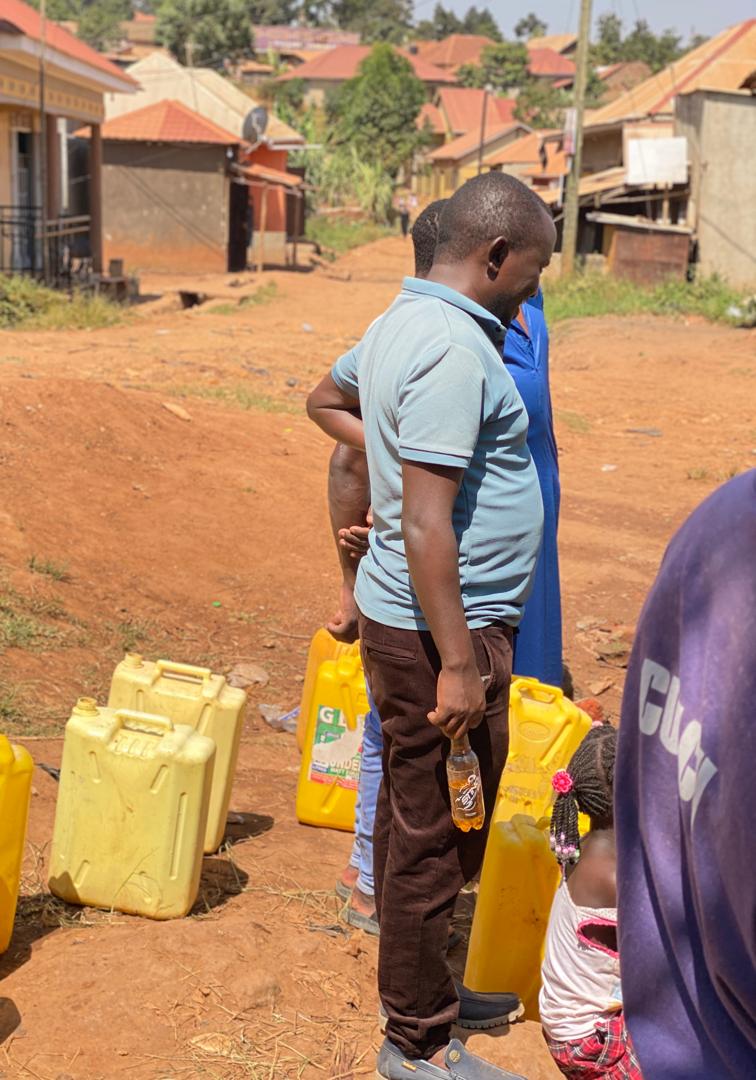
People do not have clean water close to home.
Unsafe sources
Many, especially in rural areas, collect from polluted swamps, rivers, and unprotected springs.
Open defecation
A lack of basic sanitation drives preventable, often deadly, disease across communities.
Born from lived experience in Northern Uganda
Growing up, our founder witnessed the devastation caused by war — the constant struggle for survival, and the destruction of homes, livelihoods, and entire communities. The conflict in Northern Uganda displaced over two million people and left deep scars.
Amid the chaos, one belief took hold: a determination to advocate for the community and give a voice to those left marginalised. When the war ended, that resolve turned into a practical question — how could one gain a skill that would make a real impact?
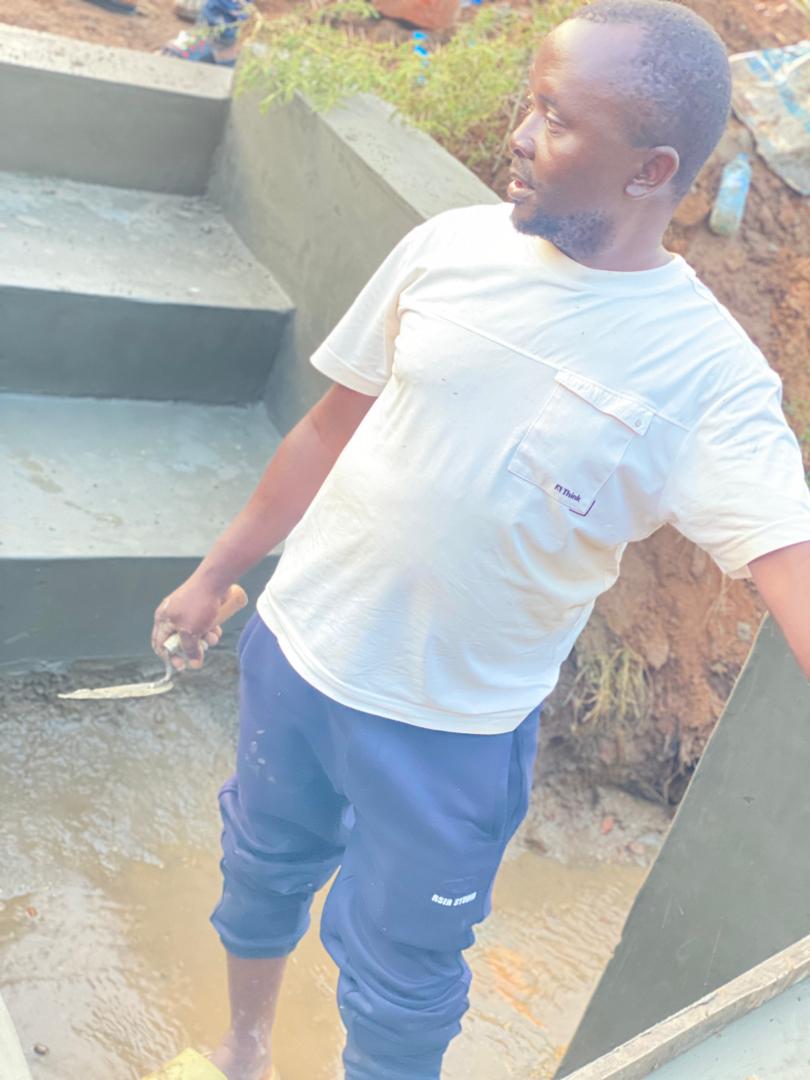
The aftermath of war had left many communities with little to no access to clean water and basic hygiene. That lack of access to life's most basic needs led to vocational training in plumbing — and, equipped with a new skill, a mission to bring safe water and sanitation to the community.
Through community meetings, workshops, and door-to-door campaigns, it soon became clear that water scarcity and poor sanitation weren't a Northern Uganda problem — they were a country-wide one. That realisation was the seed from which Oasis Water grew.
"Limited access to WASH is among the top risk factors for mortality and morbidity in Uganda — and we exist to change that."
Transforming lives through safe water, sanitation & hygiene
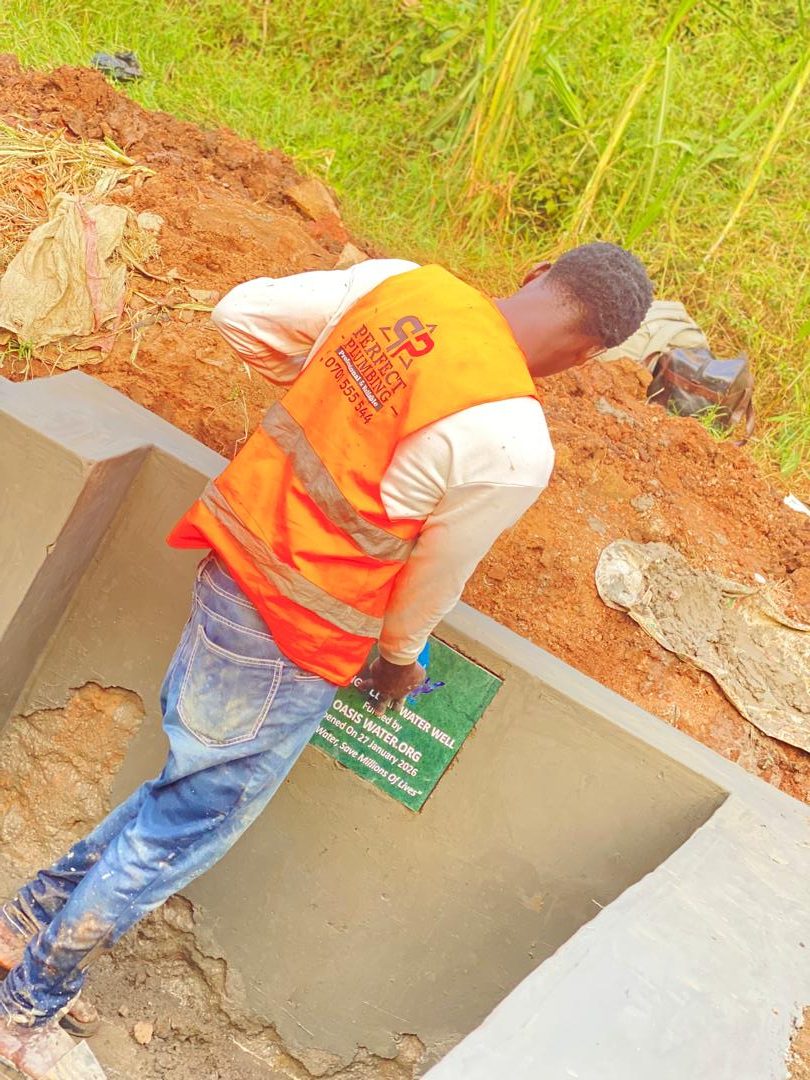
We are solution-driven. Our WASH programs are rolled out not in isolation but in collaboration with local communities, stakeholders, and experts — achieving a lasting, sustainable, and positive impact.
Water security
Tailored programs that address the unique needs of individual communities, from protected sources to solar-powered pumps.
Sanitation initiatives
Latrines, safe sanitation practices, and infrastructure that protect families from preventable disease.
Hygiene awareness
Education campaigns that raise awareness of good hygiene and the risks of contaminated water.
Business support
Helping local businesses develop innovative, sustainable clean-water solutions that reduce reliance on municipal supplies.
Water Banja — building now, repaying over time
Water Banja is our build-now, repay-over-time model, designed around the local economy so households can easily repay without facing financial hardship.
It has been instrumental in addressing WASH within communities and individual households, with real, positive impacts everywhere it reaches. We are diligently expanding it to broaden our operations and reach more rural communities across Uganda.
01
Source built up front for the community.
02
Repaid gradually in affordable instalments.
03
Beneficiaries become long-term owners.
04
Repayments help fund the next village's source.